The New World Screwworm Returns to Texas
What it meant in the past, what it means now, and what every landowner, cattleman, and land buyer should know.
As I’m sure you’ve heard, the New World screwworm has made its way across the Texas landscape. We’ll take a look at what the ramifications were from the screwworm historically, and also spend some time educating you all on the best practices if you’re a Texas landowner, a cattleman, or involved in wildlife — and what it means if you’re looking to purchase land today. Our goal is to point you to some reliable resources as we navigate the screwworm’s arrival. The information provided here is up to date as of June 18, 2026.
I’ve spent my career on Texas ranches with buyers and sellers, and I can tell you the folks who do best are the ones who get good information early and act on it calmly. This is a serious animal-health issue, but it is not a reason to panic and it is not a reason to sit on the sidelines. It’s a reason to pay attention. Let’s walk through it together.
- The first U.S. case of the current outbreak was confirmed June 3, 2026, in a calf in Zavala County, in South Texas.
- Screwworm is a serious threat to livestock and wildlife — but it is not a food-safety issue. It does not affect beef, produce, or the meat supply.
- It is highly preventable and treatable. Early detection, wound care, and fast reporting are everything.
- Texas has a coordinated state and federal response already in motion, including sterile-fly releases and movement controls.
- For buyers and owners, this changes how you steward land — not whether Texas land is worth owning.
A Little History: What Screwworm Did to Texas
If you ranched in Texas before the 1960s, you didn’t need anyone to explain the screwworm to you. It was simply part of the cost of raising livestock in the South. Any fresh wound — a branding, a castration, a dehorning, a barbed-wire cut, even the navel of a newborn calf or fawn — was an open invitation. The result was lost animals, constant doctoring, and birthing schedules built entirely around the fly’s season.
Then came one of the great success stories in American agriculture. Working with the U.S. Department of Agriculture, scientists pioneered the sterile insect technique — raising and releasing millions of sterile male flies so that wild females mated but produced no offspring. Generation by generation, the population collapsed. According to the Texas Animal Health Commission, the New World screwworm was declared eradicated from the United States in 1966, and over the following years it was pushed back through Mexico and into Central America, where a biological barrier held it for decades.
That barrier is what slipped. Since 2023, the screwworm has pushed back north through Central America, and in late 2024 it was detected in southern Mexico. Texas A&M AgriLife experts have noted that it had been roughly half a century since the fly last caused real trouble in the Lone Star State — which means most ranchers working today have never had to manage it firsthand. That’s exactly why getting educated now matters.
“Our goal is to point you to some reliable resources as we navigate the screwworm’s arrival.”
Where Things Stand Today
On June 3, 2026, USDA’s Animal and Plant Health Inspection Service confirmed the first U.S. detection of this outbreak: a three-week-old calf near La Pryor in Zavala County, with larvae identified in the animal’s navel. In the days that followed, a small number of additional detections were reported in nearby South Texas counties and one in a pet dog across the line in Lea County, New Mexico. Because the picture changes week to week, I’m not going to print a case count that’s stale by the time you read this — the USDA dashboard at screwworm.gov keeps the live tally.
Here’s what the response looks like on the ground as of mid-June 2026:
- An infested zone with movement controls. The Texas Animal Health Commission established a 20-kilometer infested zone around the affected area in Uvalde and Zavala Counties, with quarantine and movement requirements for warm-blooded animals and carcasses.
- A unified state response. A joint Texas New World Screwworm Response Team — led by the Texas Animal Health Commission and Texas Parks & Wildlife Department — has been coordinating wildlife and livestock efforts, and the Governor has issued disaster declarations to free up state resources.
- Sterile flies in the air. The same eradication tool that worked in the 1960s is being deployed again, with sterile-fly dispersal facilities and release areas adjusted by modeling to suppress the fly and keep it from establishing.
- Movement certificates. The TAHC and Texas A&M AgriLife have rolled out a first-of-its-kind Certified Inspector Program so animals can be inspected and certified to move out of an infested zone — keeping legitimate livestock commerce going.
For those of us here in the Hill Country and Central Texas, the infested zone sits well to our southwest. That’s no reason for complacency — flies and wildlife don’t honor county lines — but it’s useful context. The right posture right now is informed vigilance, not alarm.
What It Is and How It Spreads
The New World screwworm (Cochliomyia hominivorax) is a parasitic fly. What makes it different from the nuisance flies you swat at the deer camp is that its larvae feed on living tissue. A female lays her eggs at the edge of a fresh wound; when they hatch, the maggots burrow inward, enlarging the wound and drawing more flies. Texas A&M AgriLife and the TAHC both stress the same hard fact: left untreated, an infested animal can die within 7-14 days.
A few points worth holding onto:
- It is not contagious animal-to-animal. The spread is by flies seeking wounds, not by contact.
- Any warm-blooded animal is at risk — cattle, horses, sheep, goats, pets, wildlife, and, rarely, people.
- It does not infest meat, fruit, or vegetables. AgriLife economists have been clear that this is an animal-health and market story, not a food-supply story.
Best Practices for Cattlemen & Livestock Owners
Texas A&M AgriLife Extension’s guidance comes down to a simple idea: anything that creates a wound creates risk, so manage the wounds and watch the animals. Here are the practices they emphasize, organized the way I’d walk a client’s operation.
Schedule castrating, dehorning, branding, and similar procedures — and, where you can, calving and kidding — for cooler, lower fly-activity periods. This is the same logic ranchers used historically when they shifted breeding dates to dodge fly season.
Frequent, hands-on surveillance is the single best defense. Check body openings and any wounds: the navel on newborns, plus the nose, ears, and genital areas. Look for enlarging or draining wounds, a foul smell, animals that seem agitated or off, and of course maggots or eggs.
Keep a working relationship with your veterinarian and treat fresh wounds as a preventive measure. AgriLife notes topical permethrin sprays among current options for immediate wound treatment and to discourage flies — but treatment choices should always be confirmed with your vet, since approved products and protocols are evolving with the response.
A suspected case is reportable to the TAHC within 24 hours. Don’t wait to be certain. Call your veterinarian and the TAHC, and follow their direction on sample collection. Early reporting is what lets the sterile-fly program target the right area and protects your neighbors as much as your own herd. If you plan to move animals out of an infested zone, look into the free AgriLife/TAHC inspector training so you understand the certificate requirements.
Best Practices for Wildlife & Deer Managers
This is where Texas Parks & Wildlife is leaning hard on landowners and hunters, and for good reason: livestock and pets get checked every day, but wildlife roams free and doesn’t recognize a fence line or a state line. TPWD has said plainly that the people who spend time outdoors are the first line of defense.
According to TPWD, while any warm-blooded mammal can be affected, white-tailed deer, jackrabbits, cottontails, small mammals, and turkeys are among the species most commonly hit. The natural wounds that matter most on a Texas place are the ones tied to the deer calendar — fawning in late spring and early summer, and bucks shedding antler velvet later in the year. Those are exactly the moments to be watching.
What TPWD asks of landowners and hunters:
- Watch and report. If you see a live animal with maggot-infested wounds, report it quickly to a local TPWD wildlife biologist. Photos help.
- Use the field guides. TPWD has published a Hunter and Landowner Guide, plus information sheets for wildlife permit holders and deer-breeding facilities. They’re short and worth keeping on your phone.
- Fold it into your management. If you run an MLDP property or manage deer seriously, build screwworm surveillance into your normal habitat and harvest routine the way you already do for other wildlife-health concerns.
What It Means If You’re Buying Land Today
Let me speak to this as your broker. I’ve had buyers ask whether the screwworm should give them pause on a purchase. My honest answer: it should sharpen your due diligence, not stop your plans. Texas land has carried ranchers through droughts, floods, cattle fever ticks, and the screwworm once before. Good ground in good country remains good ground. What changes is the homework.
If you’re evaluating a tract right now, here’s what I’d add to the checklist:
- Know the zone status. Check whether a property sits in or near a current infested or quarantine zone using the TAHC interactive map. It affects how and when you can move animals — useful to understand before closing, not after.
- Value good infrastructure. Sound fencing, working pens, and chutes that let you actually catch and inspect animals are worth more in this environment. A place where you can gather and doctor stock easily is a place where you can manage screwworm.
- Line up your team early. A relationship with a local large-animal vet and your county AgriLife Extension agent is part of the asset now. Ask who serves the area.
- Think about your stocking and calendar. If you’re buying to run cattle or manage deer, factor surveillance and wound-management timing into your plan from day one.
None of this is exotic. It’s the kind of practical stewardship the best Texas landowners already practice. If anything, the screwworm is a reminder of why working with people who actually know land — and know the country you’re buying into — pays for itself. That’s the part of this we’re here to help with.
Thinking about buying or selling Texas land?
Whether you’re running cattle, managing wildlife, or buying your legacy place, we’ll help you read the country and steward it well — screwworm and all.
Reliable Resources & Who to Call
There’s a lot of noise out there, so go straight to the agencies running the response. These are the sources we trust and check ourselves:
- USDA — screwworm.gov: the federal hub, live detection dashboard, and response updates — screwworm.gov
- Texas Animal Health Commission (NWS): infested-zone map, reporting, treatment/movement guidance — tahc.texas.gov/emergency/nws.html
- Texas Parks & Wildlife (Wildlife / NWS): wildlife guidance and the Hunter & Landowner Guide — tpwd.texas.gov
- Texas A&M AgriLife Extension (NWS hub): fact sheets and the free inspector/awareness training on AgriLife Learn — agrilifeextension.tamu.edu/new-world-screwworm
- Livestock: Texas Animal Health Commission — Veterinarian on Call: 1-800-550-8242 (report within 24 hours), and call your local veterinarian.
- Wildlife: contact a local TPWD wildlife biologist, or call (512) 389-4505.
- Humans: contact your physician and your regional Texas DSHS zoonosis control office.
Frequently Asked Questions
Is the beef supply safe?
Yes. Screwworm does not infest meat, fruit, or vegetables, and federal food-safety inspection continues as normal. Texas A&M AgriLife Extension economist David Anderson, Ph.D., put it plainly: this is something to be aware of, but “this isn’t anything to panic about.”
Can people get it?
It’s uncommon, but human infestation (myiasis) is possible, typically through an open wound. Practice normal wound care, and if you suspect a human case, see a physician and contact DSHS zoonosis control.
Should this stop me from buying ranch land?
No. It should inform your due diligence — zone status, working facilities, and a local vet relationship — but Texas land remains a sound long-term asset. Manageable stewardship, not avoidance, is the right response.
How will I know if the situation changes near me?
The USDA dashboard at screwworm.gov and the TAHC infested-zone map are updated on a regular schedule. Bookmark both, and follow TPWD and AgriLife for situational updates.
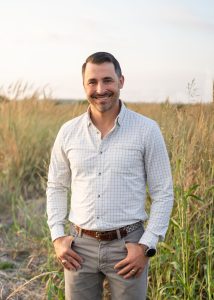 Charles Armstrong
Charles founded Capital Ranch Sales to serve Texas buyers and sellers of farm and ranch land, from small Hill Country tracts to working ranches. He believes good land deals start with good information and a long-term view of stewardship.
Sources & Acknowledgments
The information in this article was compiled from the following public agencies and institutions and is current as of June 18, 2026. We’re grateful for their ongoing work to protect Texas livestock, wildlife, and landowners.
- U.S. Department of Agriculture (USDA APHIS) — National response, detection confirmations, and the sterile insect technique program. screwworm.gov
- Texas Animal Health Commission (TAHC) — Texas eradication history, infested-zone and movement controls, reporting protocols, and treatment guidance. tahc.texas.gov
- Texas Parks & Wildlife Department (TPWD) — Wildlife impacts, commonly affected species, and hunter/landowner surveillance guidance. tpwd.texas.gov
- Texas A&M AgriLife Extension Service — Livestock best-management practices, prevention timing, wound treatment, producer education, and economic context (David Anderson, Ph.D.). agrilifeextension.tamu.edu
- Office of the Texas Governor — Disaster declarations and the Texas New World Screwworm Response Team. gov.texas.gov
- Texas & Southwestern Cattle Raisers Association (TSCRA) — Industry response and producer guidance. tscra.org
This article is independently written by Capital Ranch Sales and is not affiliated with, or endorsed by, the agencies listed above.
This article is provided for general educational purposes and is current as of June 18, 2026. The New World screwworm situation is evolving; always verify the latest guidance with the USDA, Texas Animal Health Commission, Texas Parks & Wildlife Department, and Texas A&M AgriLife Extension, and consult your veterinarian for animal-health decisions. Capital Ranch Sales is a real estate brokerage and does not provide veterinary or regulatory advice.